

What is Energy Efficiency?
Eco-friendly motor designs for industry. Are we aware of how much energy we waste? It is important to reduce our consumption and become efficient energy users.
Society is advancing at unsustainable rates. Every day, the production of all types of products increases, which we also consume at an ever-increasing pace.
Thanks to the information that bombards us, we are more aware of how important it is to reduce our consumption in general, and of how much we pollute.
Energy efficiency is understood as the efficient use of energy. A device, process, or installation is energy efficient when it consumes a lower than average amount of energy to perform an activity.
An efficient product committed to the environment, in addition to requiring less energy to perform the same work, also seeks to source the greatest possible amount of renewable or alternative energy.
Energy efficiency seeks to protect the environment by reducing energy intensity and encouraging users to consume only what is necessary and no more. The CO₂ emissions we send into the atmosphere are increasing, and for this reason, energy efficiency has become a way to care for the planet because it is not only about using machinery that consumes less, but about consuming less in a more “green” manner.
How Does Industry Affect the Environment?
Over time, humans leave their mark on the territory they inhabit, and evidence of this has been amplified since the expansion of industrial processes throughout history.
In 1992, with the Rio Summit, the United Nations (UN) made it clear that both human beings and nature are essential elements for sustainable development. Member countries committed to regulating and reducing the negative impact of industrial growth. However, data on pollution and climate change are increasingly alarming.
The impact of industrial processes is becoming more significant. Among the main consequences that the environment faces due to these processes are:
- Pollution
- Depletion of renewable and non-renewable resources
- Deforestation and climate disasters
- Species extinction
ABB and Eco-Friendly Motor Designs for Industry
On July 1, the new Regulation (EU) 2019/1781 on eco-design for motors and frequency converters came into force. The objective is to reduce energy consumption across the European Union.
The good news is that these improvements in energy efficiency are feasible, and the change means that instead of using motors with the old minimum energy efficiency class IE2 or IE3, new motors will need to be IE4 and IE5.
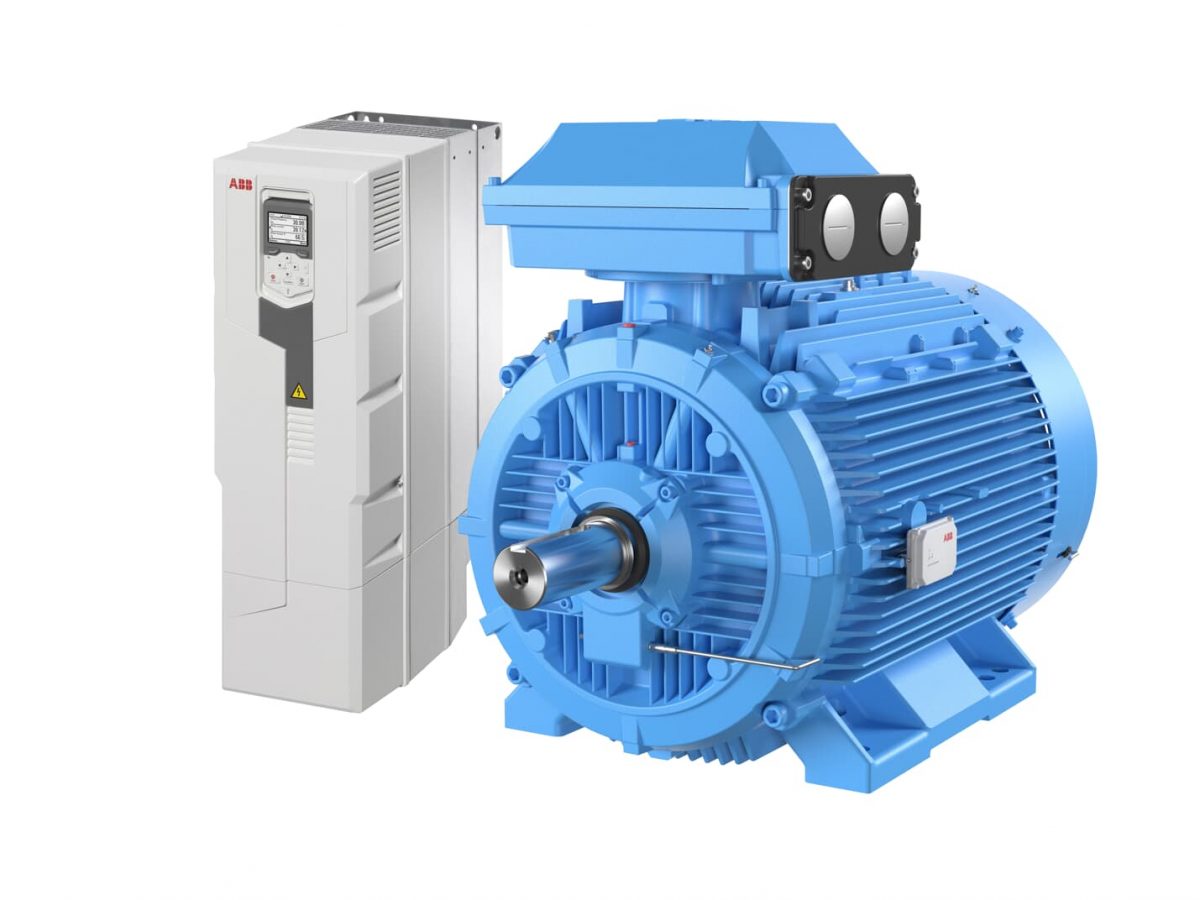
Products that comply with the new regulation have been available on the market for many years, so the change is technically straightforward and offers clear energy savings and lower operating costs.
Incorporating converters to control these motors would further improve energy savings. In fact, the right combination of converter and motor can reduce the energy bill by up to 60%.
To all this, ROYSE joins to provide its best services and products in this effort to improve energy efficiency and environmental conservation. Contact us for any questions or information you need; we will be happy to assist you.